C2PA: Content credentials for verification

In today's world, where deep fakes and cheap fakes abound, determining the authenticity of images in the news is increasingly difficult. With public trust in media on the decline, BBC and Project Origin have partnered with major players like Adobe and Microsoft to embed cryptographic signals into media files for tracking and verification. Their aim is to create a standardized format for identifying, protecting, and attributing content throughout its lifecycle.
How do we regain trust in media?
Trust must be earned, especially in an era rife with misinformation. People need solid evidence to verify the images they encounter and to ensure they are not taken out of context. BBC's goal is to enhance transparency and mitigate distrust through the use of Content Credentials (C2PA), a technology designed to provide provenance and enhance journalistic transparency. BBC is not alone in this endeavor; companies such as Sony, Canon, Leica, and even TikTok have announced their participation. Major social media platforms and organizations like OpenAI and Google are also supporting this initiative.
C2PA acts as a technical enabler for protecting trusted media. It involves cryptographically encoded provenance signals embedded in content to trace its origins, creation process, and publication. Similar to an audit trail, these signals document every step of the content's journey, from capture to editing to distribution, providing a comprehensive history of the image.
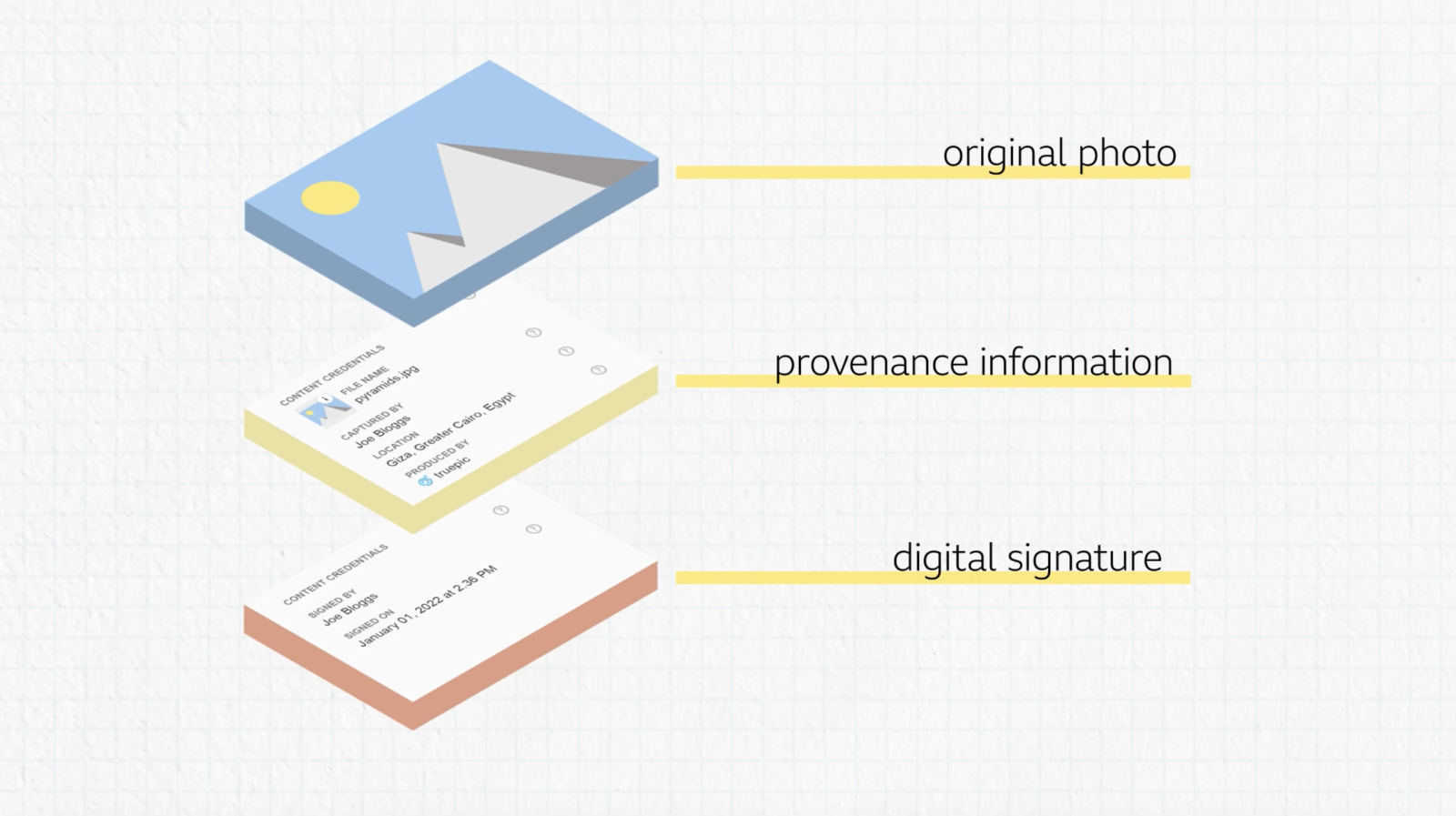
The benefits of provenance networks are twofold: they help demonstrate the integrity of content published on platforms and aid the public in understanding the authenticity of media, enabling them to make informed decisions about what to trust.
To better understand audience needs, BBC conducted extensive research to determine the type of information that would be most useful and in what context. Findings revealed that audiences desire key pieces of information, especially for agency and user-generated content (UGC), where context and authenticity are critical. Further testing aimed to assess the impact of this data on user relationships with the content. Results indicated that Content Credentials did not harm trust among existing BBC users and potentially increased trust among non-BBC users. It was also noted that professional media is often less trusted than UGC, likely due to the perceived authenticity of content created by real people rather than by large media organizations. This is why BBC wants to help the audience understand the authenticity of media, so they can make up their own minds about what they do and do not trust.
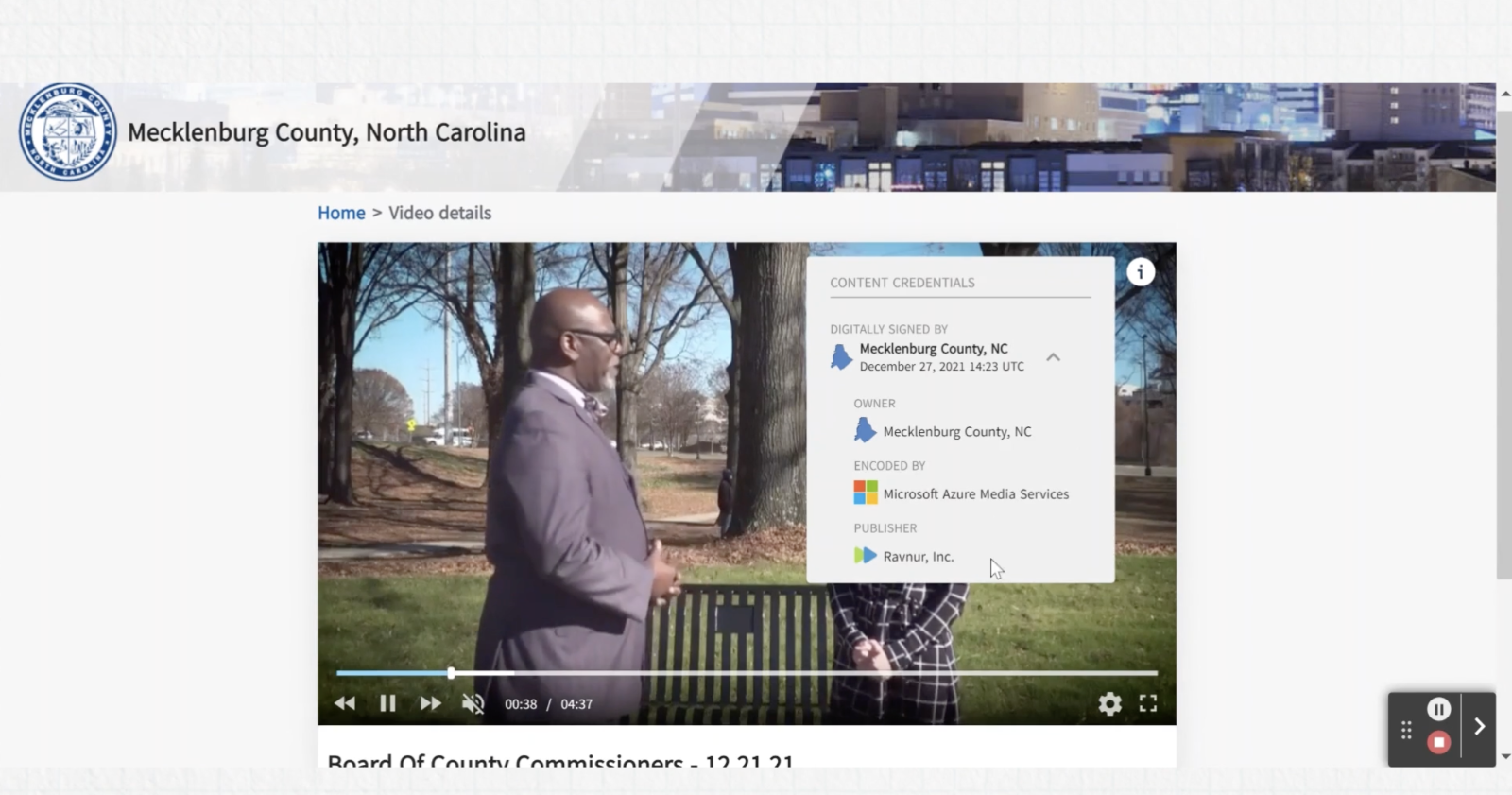
Given these insights, BBC has focused on validating UGC rigorously, as it is both the most trusted by audiences and carries the highest risk of being untrustworthy. To enhance transparency, BBC developed a simple plugin that integrates with existing content authoring systems, mapping verification data to C2PA and making it accessible to audiences.
What's next?
Early trials show promising results: 83% of users reported increased trust in media after seeing Content Credentials, and 96% found the credentials useful and informative. Although these findings primarily reflect existing BBC audiences, they mark the beginning of a broader effort to delve deeper into building trust through transparency. In the absence of having a full end-to-end media provenance network, BBC is looking at this project as an opportunity for them to explore the idea of journalistic transparency, showing audiences what they know and how they know it. Besides that, there are also other use cases that they are hoping this work is going to add momentum to, like social platforms showing content credentials or AI-labeling. Because leaning into this adds another reason for us all to sign our own media and contribute to a more transparent digital space.
Further reading:
https://www.futuremediahubs.com/future-media-hubs/cases/world-fact-checking


