Creating online content for a younger generation: kicking off a new tradition

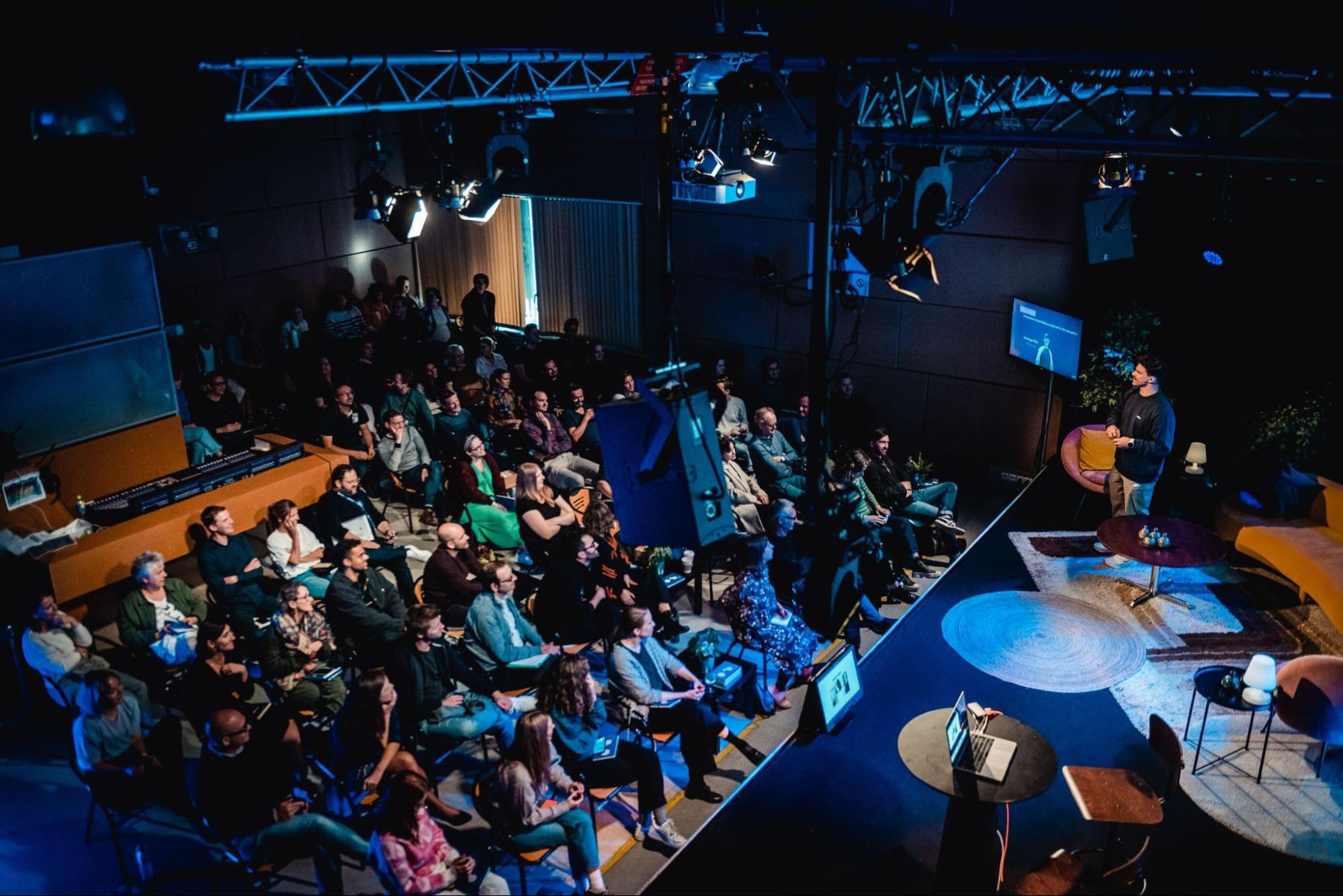
How can we get the younger audience to find their way back to television and radio? Spoiler alert: we can’t. On September 22th, a big portion of our Meet The Makers event was dedicated to finding ways of reaching a new generation of media consumers on their own platform. What are the responsibilities of a public broadcaster when you don’t control that platform? Is there use in trying to generate traffic back to your own channels? Should we create more content in English and how do we identify the target audiences and differentiate between them? Going from a roundtable discussion between project leaders to presentations by content creators, the afternoon of Meet The Makers was a deep dive into the future of traditional broadcasting.
The age-old question
Generations of media makers have been asking themselves the same question: how do we reach young viewers? What do you do, however, when the platform is suddenly moved and the audience isn’t finding their way to traditional broadcasting anymore? Melody Holst Talebi of the NRK, Joachim Vandoorne of VRT and Thomas Duprel of RTBF discussed how their respective networks aim to connect with their younger viewers on interactive platforms.
LL35
NRK used to be the establishment in Norway but is losing its audience. That doesn’t mean all is lost, but it does mean that NRK has to work differently to reach the next generation and become another kind of establishment. That’s why they started the gaming house called LL35 and made the radical choice to leave their own platform and relocate to Twitch. Although logically a brand wants to direct as much traffic as possible to its app, there is no use in creating content when the audience is not finding it. So NRK decided to find them.
For quite a few years NRK has been researching what the younger audience wants to see. Gaming and reality tv are huge, and a platform like Twitch offers a combination of the two. NRK wanted to go big, so they decided to buy a house, install 55 camera’s and create a house in which the gamers will be livestreamed around the clock. There have been some challenges: from getting the technology to work to collaborating with influencers in a beta phase or keeping a real-life snake happy 24/7. But even without marketing 15000 people already found their way to LL35. Not literally, luckily, since LL35 is also the house's real address.
The point isn’t to bring people back to watching linear TV. There is much more of a need to be modern. Melody says that we need apps that reflect young people's viewing habits - resembling Twitch, YouTube and other social media where the younger generation gets their entertainment and news. Melody thinks of LL35 as a 24/7 show that can be company for our young audience. A second screen that is always on, like radio used to be for a lot of people.
Tarmac
Thomas Duprel is head of content at Tarmac, who also felt like they were losing the audience. Just like NRK, Thomas felt like they already lost an entire generation of consumers. There was a sense of urgency to create radical change. That is why RTBF wanted to create a hip-hop brand for the future that was representing new (and non-white) faces on screen. That melting pot makes it more authentic, especially for the generation that lost their connection to the radio. Tarmac's mission is to bring that back.
The global strategy of RTBF, rather than to get the audience back, is to make crossposts so the consumers know Tarmac is part of the RTBF brand. Thomas believes that you have to test a lot of formats. He also can not overstate the importance of influencers, who can be bigger than the media itself.
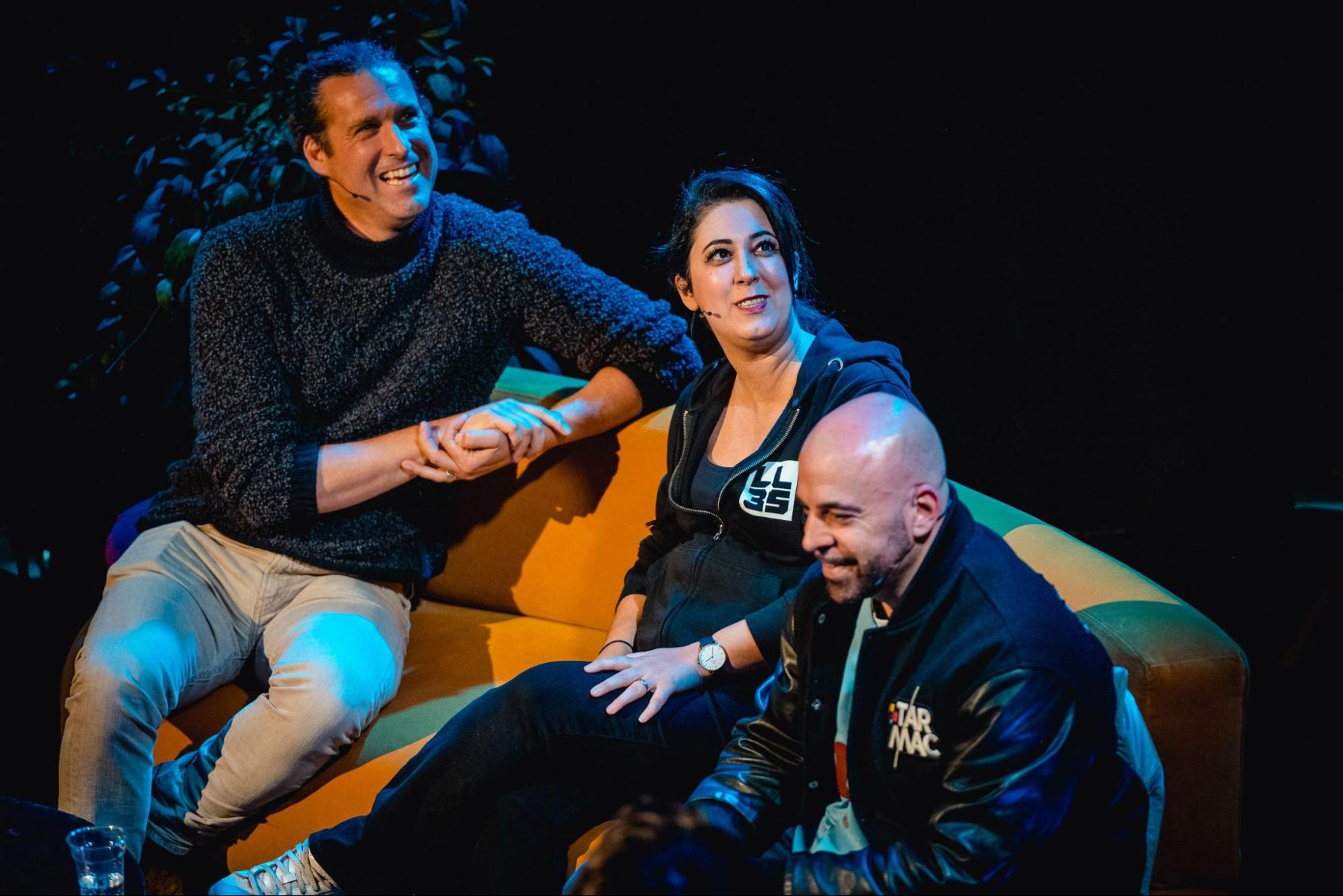
However, the mission of a public broadcaster is still to entertain and inform the youth. With 453.000 followers on YouTube and 341.000 on TikTok in just one year, the reach of Tarmac is already huge.
The Peetie Club
The Peetie Club is an online program that the VRT’s children's channel Ketnet streams weekly. Ketnet also started losing viewers a long time ago, and their way of directly connecting with children is now mostly through live events. Ketnet felt like they needed a new way to speak to an audience that was watching their tablet instead of television. Rethinking all the technology, the team created new characters, The Peeties, that only live in the digital world and brought them together in the online live show called The Peetie Club: a digital experiment lab for Ketnet.
The technology is unreliable and a lot can go wrong, but just like NRK, the biggest challenge for The Peetie Club is getting the audience to come to you. Although there is a fanbase that comes back every week and the show’s reach is expanding slowly, there needs to be more strategy behind the concept to keep the children interested. Ketnet’s mission is still to reach as many children as possible, but they are not finding their way to the VRT MAX app, the television or their website. So Ketnet is searching for different ways to reach them.
Bring the soap to socials
Hans Roggen is the brand communication manager for the iconic TV show Thuis. With a 46% market share in prime time television that reaches a whopping 1,2 million viewers an episode, Hans explained how the communication team tries to connect with a new generation of viewers.
In the past, a continuous drama like Thuis didn’t have to do much to engage the younger audience because people grew up watching the show. Today, they can’t take that easy success for granted anymore, because now it is friends and phones that are the ones determining people’s media consumption. The long-term strength of Thuis is that the TV-show can outlive its audience. In return, however Thuis has to seduce the next generation of viewers to get noticed in other ways than they did in the past. With a monthly reach of 1.3 million impression on Facebook and more than 350K followers on Instagram, what is the secret?
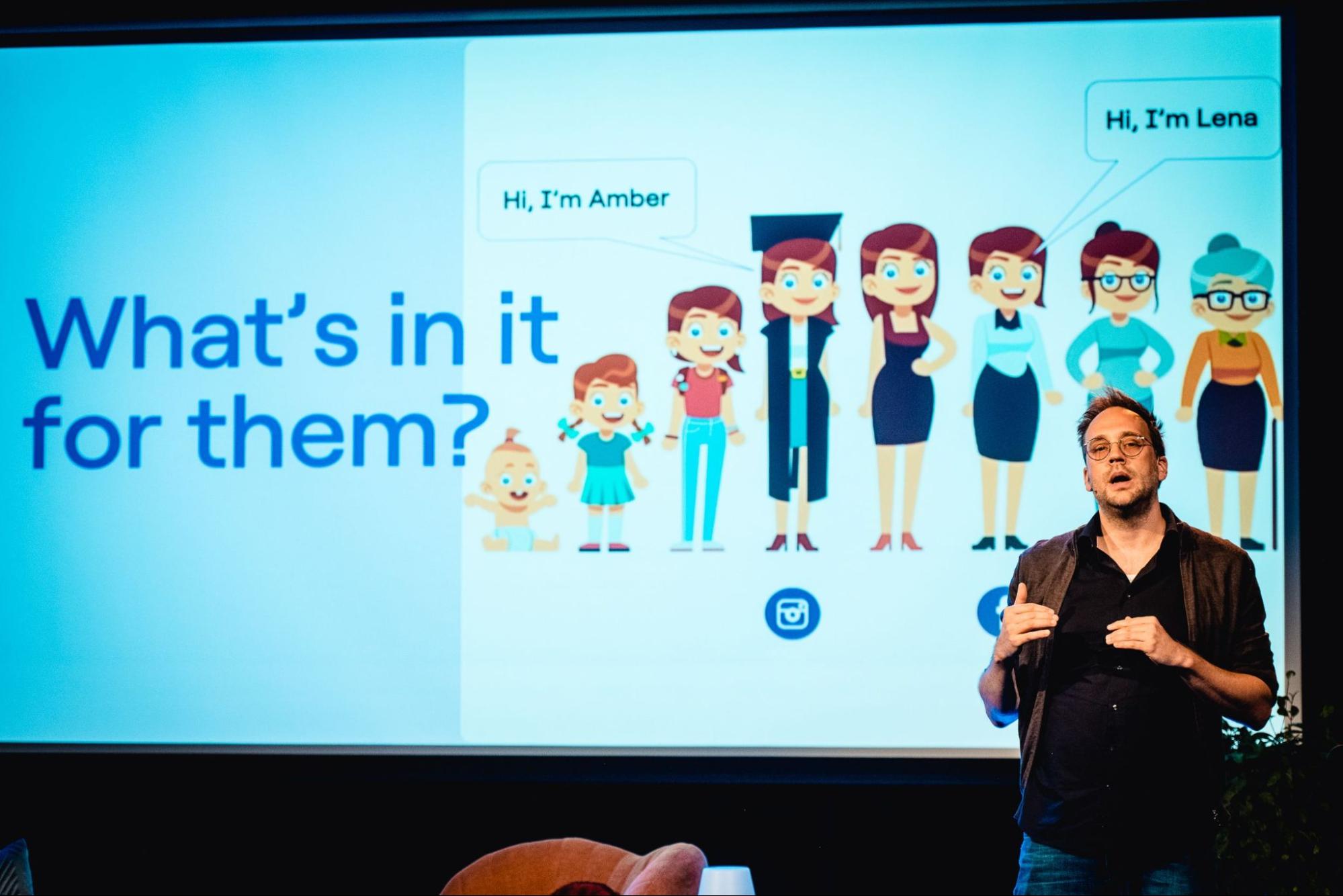
Hans shared the three communication strategies the Thuis social team uses:
- Awareness through agenda setting: instead of pushing the marketing, they try to let other people talk about Thuis and the storylines by influencing other media.
- Be soap: Try to sell and promote by repeating the message over and over again. Be visible all over the place.
- Use your ambassadors: use the audience to tell your story to their friends.
Thuis creates its storylines on social media with two ambassadors in mind. 50% of the followers are below 35 years old, so they try to imagine what is important to them. The audience on Facebook is considered a “Lena”, while the Instagram public is referred to as “Amber”. Thuis tells different stories in a broad way, but on their socials, they pick and choose what’s important. That is why roughly the same clip on Instagram will tell a different story on Facebook. Always referring back to “what’s in it for them?”
One of the most important learnings that Hans shared is that you have to stick to the rules of the platform, something we tend to forget. That’s why Thuis creates extra online content as an awareness strategy. In that way they can generate some extra buzz by creating something new and visible. That content is distributed on VRT MAX, VRT’s audio and video streaming platform, as well as on Facebook and Instagram. Even in production, they follow the rules of social media: shot in 4K, 4:3 aspect ratio cut out in a full HD landscape and portrait. Because it is one edit but exported in different ways, it’s easy to create a high-end product with a very low budget.
Who the f*ck is Average Rob?
The Belgian content creator Average Rob, or Robert Van Impe, explained how he approaches interactive social media. Going from making jokes in class to making jokes on the internet, he managed to accumulate over 180K YouTube subscribers and half a million followers on Instagram.
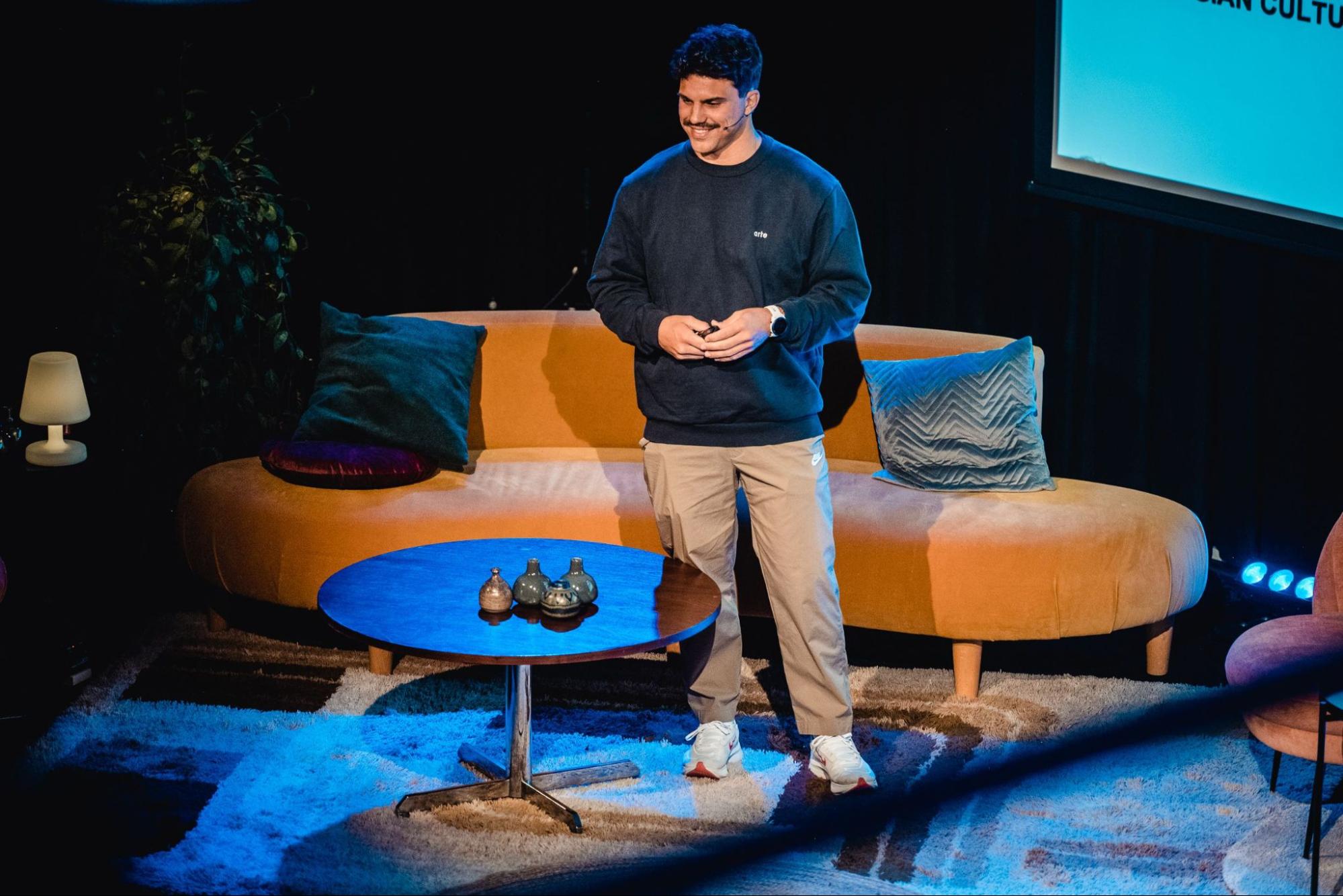
What makes Average Rob unique in a country that already has three official languages, none of them English, is that he consciously chose to create his content in the most spoken language in the world. Rob emphasizes he wants to inspire people to create content in English to reach not just the Flemish part of Belgium, but also reach Wallonia: the French-speaking southern part of our small country. The fact that he was raised by a Flemish-speaking mother and a French-speaking father might have something to do with wanting to make his videos accessible to everyone in our small country.
His Belgian heritage is a big theme in Average Rob’s videos, and according to him also one of the reasons people identify with the content. Part of the charm of his videos is that he doesn’t try to polish up his English, pretending to be a UK or North American speaker. His Flemish accent creates authenticity for the audience. And if we have learned one thing over the past few years is that authenticity is the magical word when it comes to capturing an audience on social media. Besides that Rob also introduces Belgian culture into his work that a lot of people can relate to. Going from our favorite foods to popular athletes and sports, he manages to connect on a very deep level with our Belgian “pride”. Combining all of that with our special kind of Belgian humor, filled with sarcasm, it just works.
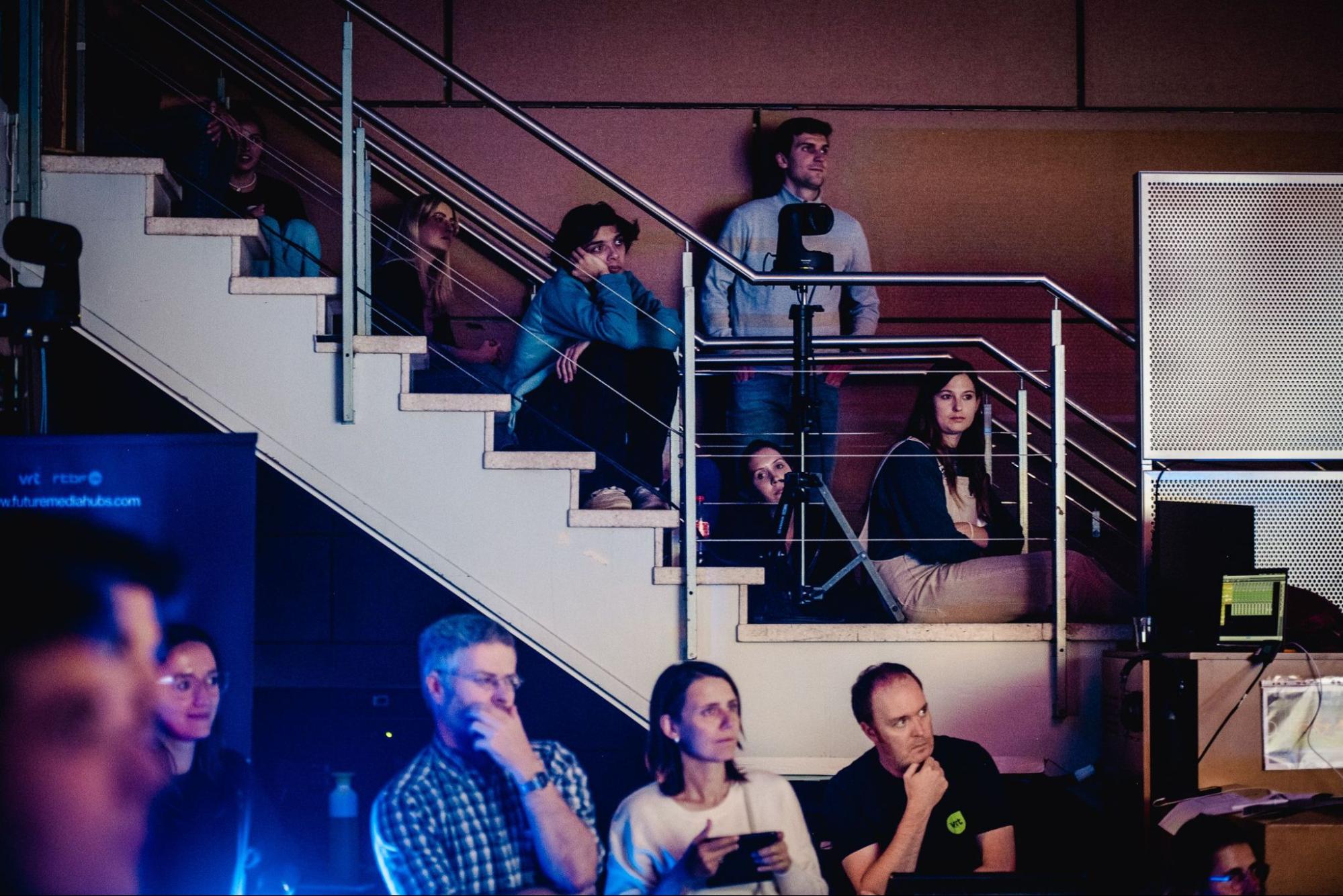
The thing that Rob wants the audience to know is that if you don’t create content with love you will burn out. Especially for creators that create on their own, it is important to keep fueling that passion.
During the Q&A part of the session, Rob also explained that he doesn’t create content specifically for Instagram or TikTok. He did emphasize that he respects every platform and its “rules” in their own way and that he wants people to find their way to his YouTube channel organically. For that reason, he uses his Instagram to post more personal content and edits his videos down to a shorter version for TikTok.
But why does he love YouTube so much? Unlike other platforms, it’s a platform created for long-form content. This enables you to create a story and connect with people on a deeper level. Rob believes, unlike other platforms, YouTube can go on forever because it is the best search engine in the world. Besides that, it’s also a nice archive for his future children.
What have we learned?
The biggest takeaway from these sessions is that there is no use in hopelessly trying to drive traffic back to your platform. When your audience is on Twitch, Roblox, YouTube or TikTok, that is where you need to be. For slightly older generations, it is still useful to utilize Facebook and Instagram as marketing tools, but you have to keep in mind who your audience is and what the rules of that specific platform are. Lastly, authenticity is key. Always. Going from diverse faces that represent all of society to Average Rob proudly speaking Flenglish, the audience wants to feel seen. When it is real, they will connect with it. And that is why it is so important to create with love.
Inspired by this article? Over the next couple of weeks we will write recaps on the event as a whole, as well as an in depth look on podcasting and media in the metaverse. Be sure to subscribe to the Future Media Hubs newsletter so you don’t miss out on any of it!


