The power of interactive media to be a force for good: moving away from the stigma

Interactive media, like video games and virtual reality, have the unique ability to provide users with encounters they would normally never come across in their everyday life. Experiencing depression, racism, psychosis, active war or life as a refugee? Today, it’s all just as possible as living in Mushroom Kingdom.
There are valid concerns when it comes to addiction, violence or gender and racial stereotyping in video games. However, In recent years, many developers have started making video games that discuss a whole array of socially conscious themes, trying to overturn the image of video games being just a form of entertainment. Interactive media has demonstrated measurable success in impacting how people think and feel in the real world. Arguably, video games could be even more impactful than other types of media, since video games require the audience to be an active participant instead of consuming it passively.
Inspired by our Dutch colleagues at KRO-NCRV, who devote a lot of time and resources towards innovation and inclusivity, Future Media Hubs looked into a few ways that interactive media can be used to make the world a better place.
Video games and mental health
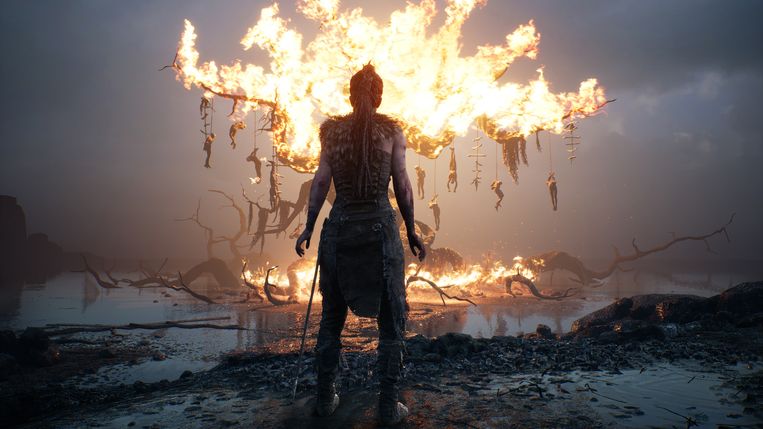
Hellblade: Senua's Sacrifice, created by Ninja Theory, does a great job exploring psychosis and the way a mental condition affects the perception of someone's surroundings. Hellblade was created from the idea that games could portray mental illnesses from a first-hand perspective rather than an outsider's. That is why the video game aims to make the player feel what it would be like to suffer from psychosis. By working with neuroscientists and interviewing people experiencing psychosis, the developers were able to move away from mental health stereotypes and portray the condition as accurately as possible.
This research made way for The Insight Project, asking the question: Could a video game help promote mental wellbeing and reduce mental suffering? Ninja Theory aims to use the technology it developed for the video game for additional mental health research and treatment[1]. This evolution, going from entertainment to real-world resources that might change people’s lives for the better, is in itself a small revolution.
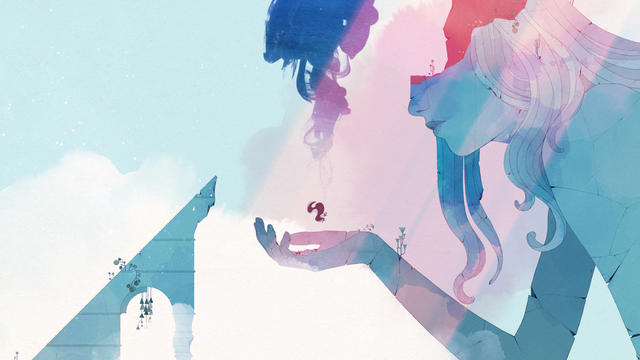
Another successful example of a video game dealing with mental health, in this case depression, is GRIS. Developed by Nomada Studio, GRIS is about a hopeful young girl lost in her own world, dealing with a painful experience in her life. As the story unfolds, GRIS will grow emotionally and see her world differently, revealing new paths to explore using her new abilities.[2]
Contrary to Hellblade, GRIS is a serene experience, free of danger, frustration or death. The story world was brought to life with delicate artwork and no spoken language. Over the course of the video game, light puzzle challenges will reveal themselves as more of GRIS’s world becomes accessible. GRIS feels like a universal, fragile take on what depression and anxiety feels like, without ever pushing the player to “feel” something.
Racism
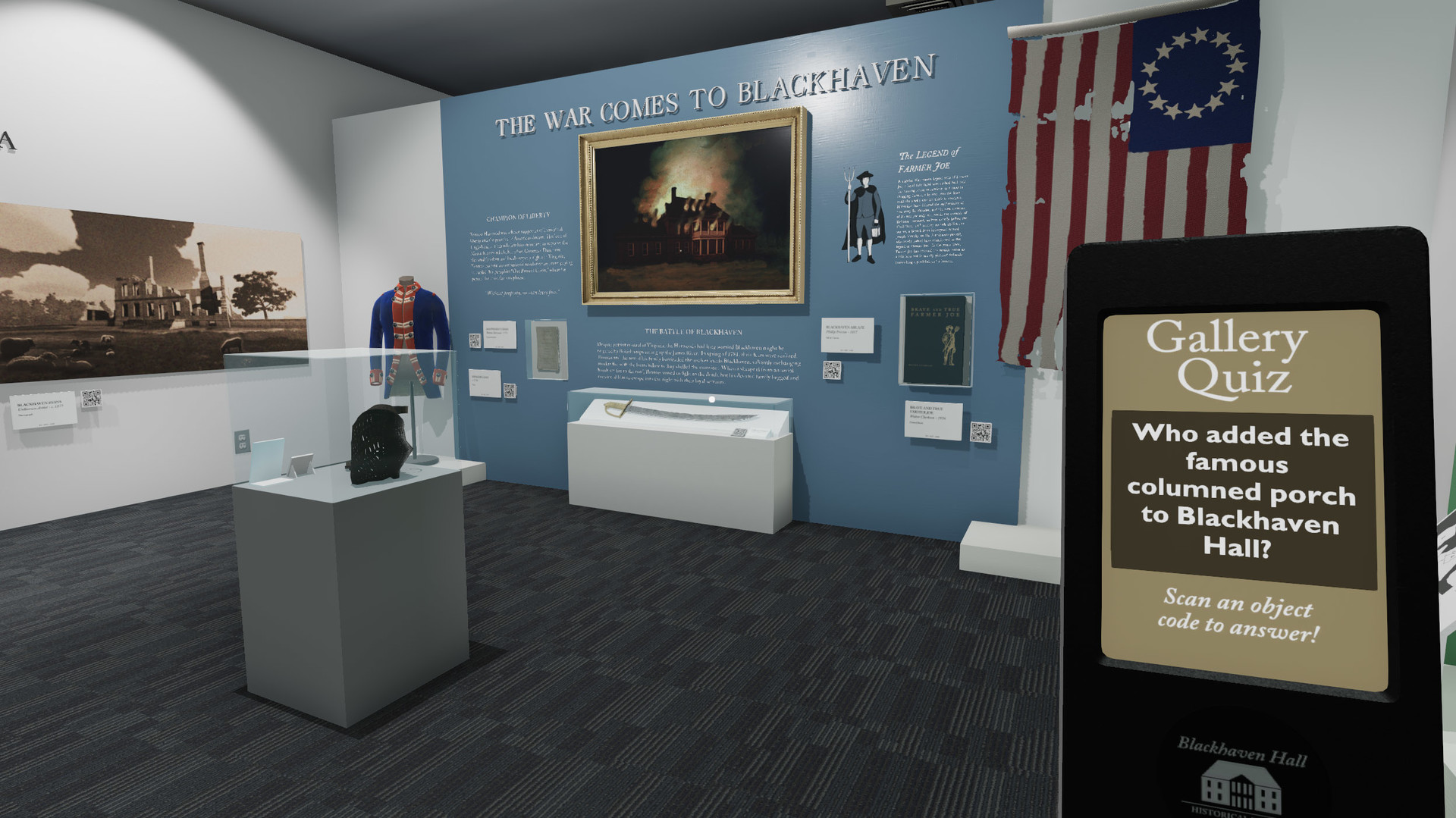
Released in the summer of last year, Blackhaven is a free first-person mystery adventure game that focuses on racism, slavery, and the whitewashing of history. The game follows a sophomore intern named Kendra Turner at the Blackhaven Hall Historical Society. For this job, Kendra must complete various tasks at the historical site of a mansion burned during the American Revolution. But, while exploring the area, she slowly discovers that the museum is hiding the true history of the location. Now, she must decide whether to keep quiet about the whitewashing so that she can keep her job or expose the real story.[3]
Virtual reality and trauma
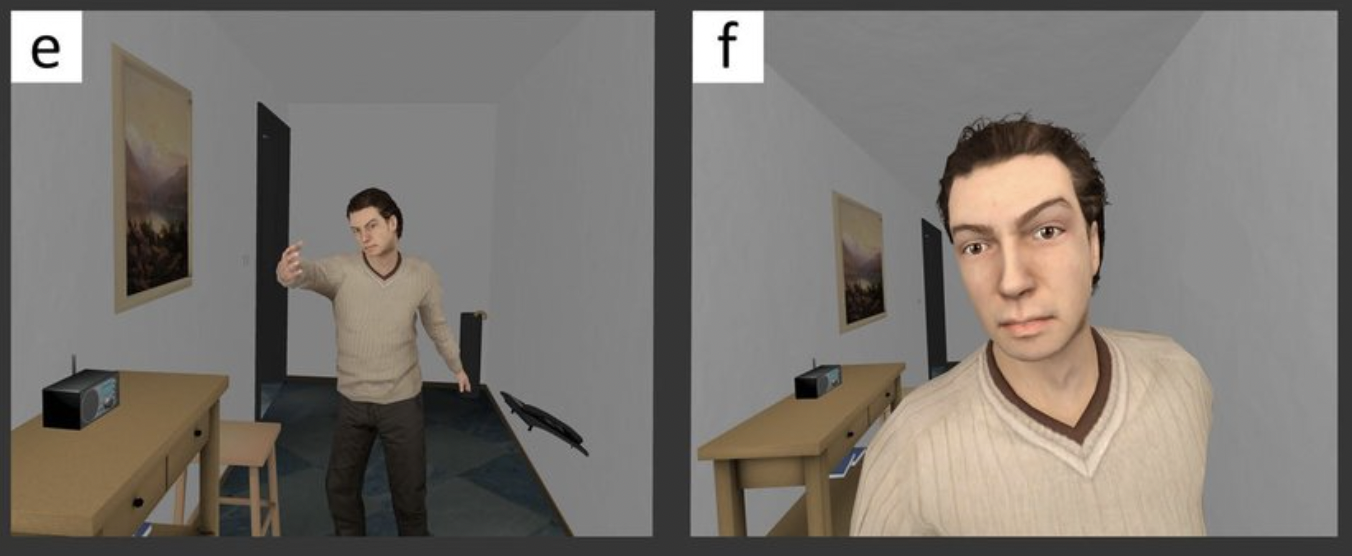
Is it possible to change the perspective of a domestic violence abuser? According to Universitat Politècnica de Catalunya it could be. The Spanish University has been scientifically studying the effects of virtual reality to induce a full-body ownership illusion that allows offenders to be in the body of a victim of domestic abuse.[4] The idea is that by experiencing domestic abuse through the eyes of the victim, abusive men might gain some insight into their acts.[5]
Putting VR headsets on offenders to improve their emotional skills may seem a bit utopian, but Virtual Reality already has a strong track record in the field of mental health. At the University of Southern California, VR-based applications are being used successfully to alleviate symptoms of PTSD in veterans. In collaboration with The Institute for Creative Technologies (ICT), USC played a pivotal role in systematizing a novel method of administering exposure therapy, the most effective treatment for PTSD. Highly controlled yet emotionally evocative scenarios were developed in virtual reality, allowing trained therapists to immerse the participant in scenes in which the therapist controls even minute details. This gives the therapist the ability to expose the user only to environments the therapist deems the user capable of confronting and processing in a therapeutic fashion. Treatment success has been observed in open clinical trials and large controlled trials are underway.[6]
KRO-NCRV
KRO-NCRV is one of the Dutch public broadcasters. With their slogan being “we want to care for each other”, the media company is constantly looking for innovative ways of telling stories in an inclusive, sustainable and meaningful way. From VR experiences to a WhatsApp game, here are a few examples:
The TV show Brandpunt collaborated with war correspondent Hans Jaap Melissen to create a 360° VR experience about boat refugees in Lesbos. This experience should make you feel like you are standing in the sand yourself, walking around in the refugee camps. This VR experience parallels a documentary. Another VR endeavor is “The Last Chair”. A documentary where you get the chance to step into the house of an elderly person that tells you about their life.
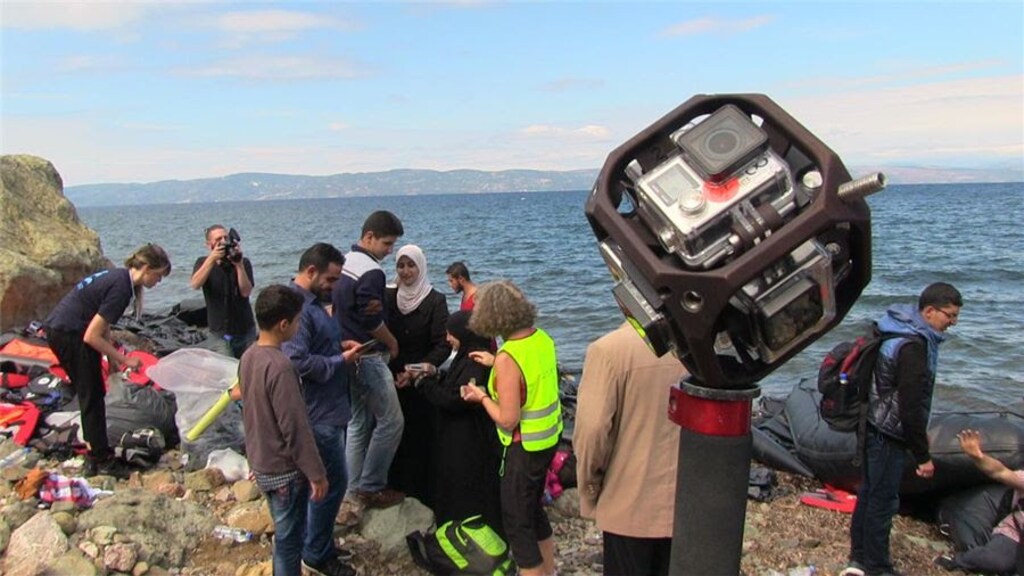
KRO-NCRV is also focussing on innovative video games, like a WhatsApp game about bullying. On the one hand, the aim is to help children that are getting bullied, but there is also the goal to teach them what it is like to be bullied. Another project is a first-person adventure game, created in collaboration with an external producer. The gameplay of the video game is that you are a young refugee who has to reach a safe country. This video game is also developed along with a documentary about the subject.
What are we doing at VRT?
VRT is currently experimenting with a multi-user VR-project that is called The Da Vinci Effect and was created as part of the REAL HEROES project, funded by Creative Europe. The experience aims to immerse children in science, art and society with an interactive story about the artist Leonardo da Vinci.
Three kids get to step into the “house” of da Vinci. Through puzzles, they can learn about his inventions and artwork. When they solve the quest, they get to see a video about what the inventions are still used for to this day. Da Vinci comes out to tell them that with a bit of engineering and creativity, you can manufacture anything you want. The project is a fun way for children to collaborate, play and learn at the same time. We tested the installation at the European Youth festival, and the reactions were overwhelmingly positive. Because The Da Vinci Effect combines Science, Technology, Engineering, Arts and Mathematics (STEAM), but also History and Art, a teacher could tell their students to approach what they’ve experienced in a lot of different ways. So in the future, there are possibilities to take VR experience back into the classroom for additional learning.
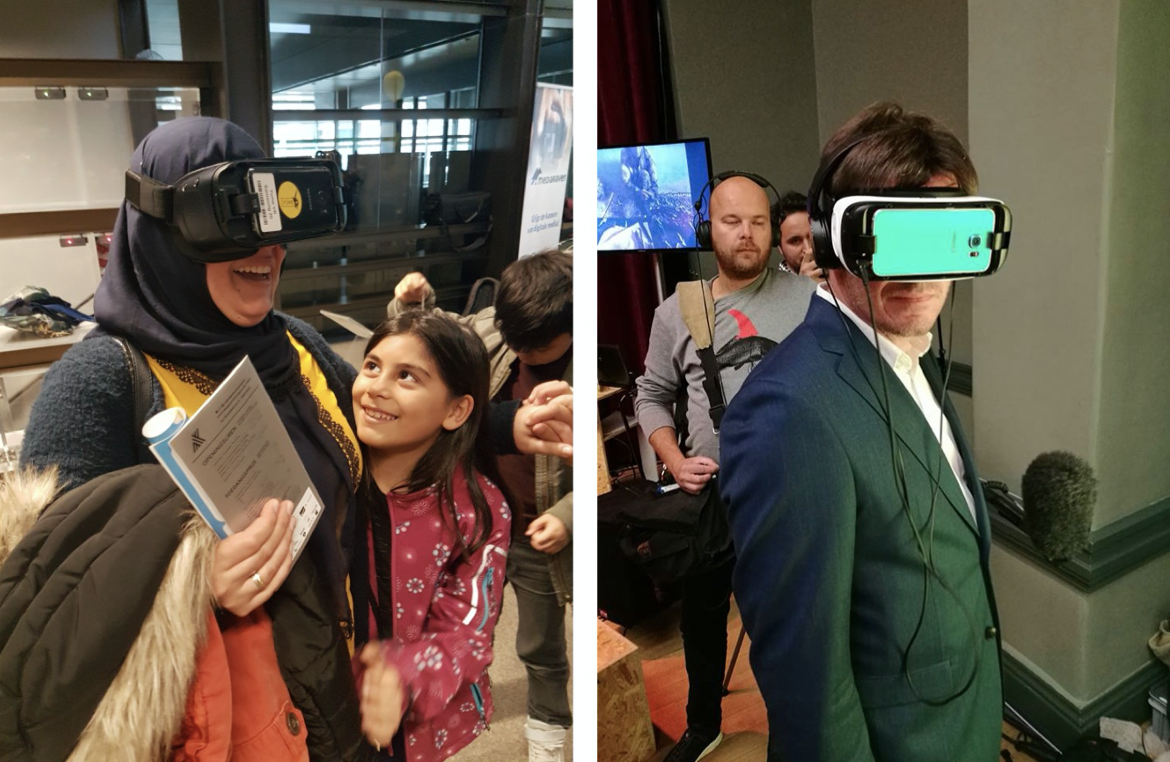
Also in collaboration with the European Youth Festival, VRT created a VR experience for children in the hospital. Based on drawings of the kids themselves, the bedroom they were confined to turned into a magical underwater world.
VRT also uses VR as an in-house awareness tool for developers. When hiring new people they aren’t always trained in thinking about the accessibility of apps for disabled people. Since VRT is a public broadcaster, it is important for VRT to be inclusive towards anyone that might have difficulties seeing or listening to our content. That is why VRT created a VR installation to confront the able-bodied code creators with frustrations they tended to oversee because they didn’t experience them themselves. Thanks to this project VRT have been able to improve our radio and tv apps a lot.
Conclusion
When used for good, virtual media can be the ultimate awareness tool, or as Gregg Young, Head of VRT’s Video Snackbar calls it: “the empathy machine”. The strength of, let’s say a VR installation, is that you get to look at a situation from -literally- another perspective. When you put people into a situation, instead of feeding them information, they will feel what it is like to experience what you present to them. This results in more awareness, knowledge and hopefully sensitivity and understanding towards situations people usually wouldn’t find themselves in.
Written by Anne Vanoppen
References:
- https://www.comicsbeat.com/insight-project/
- https://store.steampowered.com/app/683320/GRIS/
- https://screenrant.com/best-video-games-about-include-social-issues/
- https://www.researchgate.net/publication/323072196_Offenders_become_the_victim_in_virtual_reality_impact_of_changing_perspective_in_domestic_violence
- https://www.thedailybeast.com/psychologists-want-to-use-vr-to-fight-domestic-abuse-against-women
- https://ict.usc.edu/research/projects/strive/


