SXSW Austin 2025 Recap

Missed out on our SXSW Austin articles? Relive the event via our aftermovie or scroll down and read our recap to be up to date on what happend at the festival!
How far will AI go in shaping journalism?
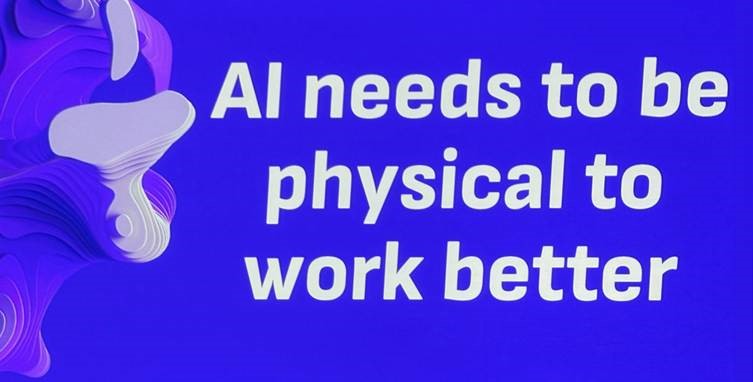
This year’s SXSW conference highlighted the evolving landscape of journalism. This includes rapid technological advancements and political challenges. These technological advancements made in journalism are cited by panels like Byte by Byte. They discussed AI-powered investigative reporting and its potential to reshape the industry. Sweden’s Aftonbladet (read as evening paper) already integrated these advancements into their newspaper. They use ‘election buddies’ (robot journalists) by leveraging RAG technology and human-verified data.
During the conference there was a deliberate avoidance of current political events in discussions. This was evident during the panels and keynotes, where speakers refrained from addressing ongoing political controversies. This could possibly be to maintain neutrality in polarized environment. But these media outlets face economic challenges, relying on the platforms that they should be scrutinizing. This dependency may influence their editorial choices and contribute to the avoidance of politically sensitive topics.
Do you want insights on the full article? Read the article “SXSW 2025: Journalism in Times of Fading Light”.
How Fandom Drives Modern Media Attention
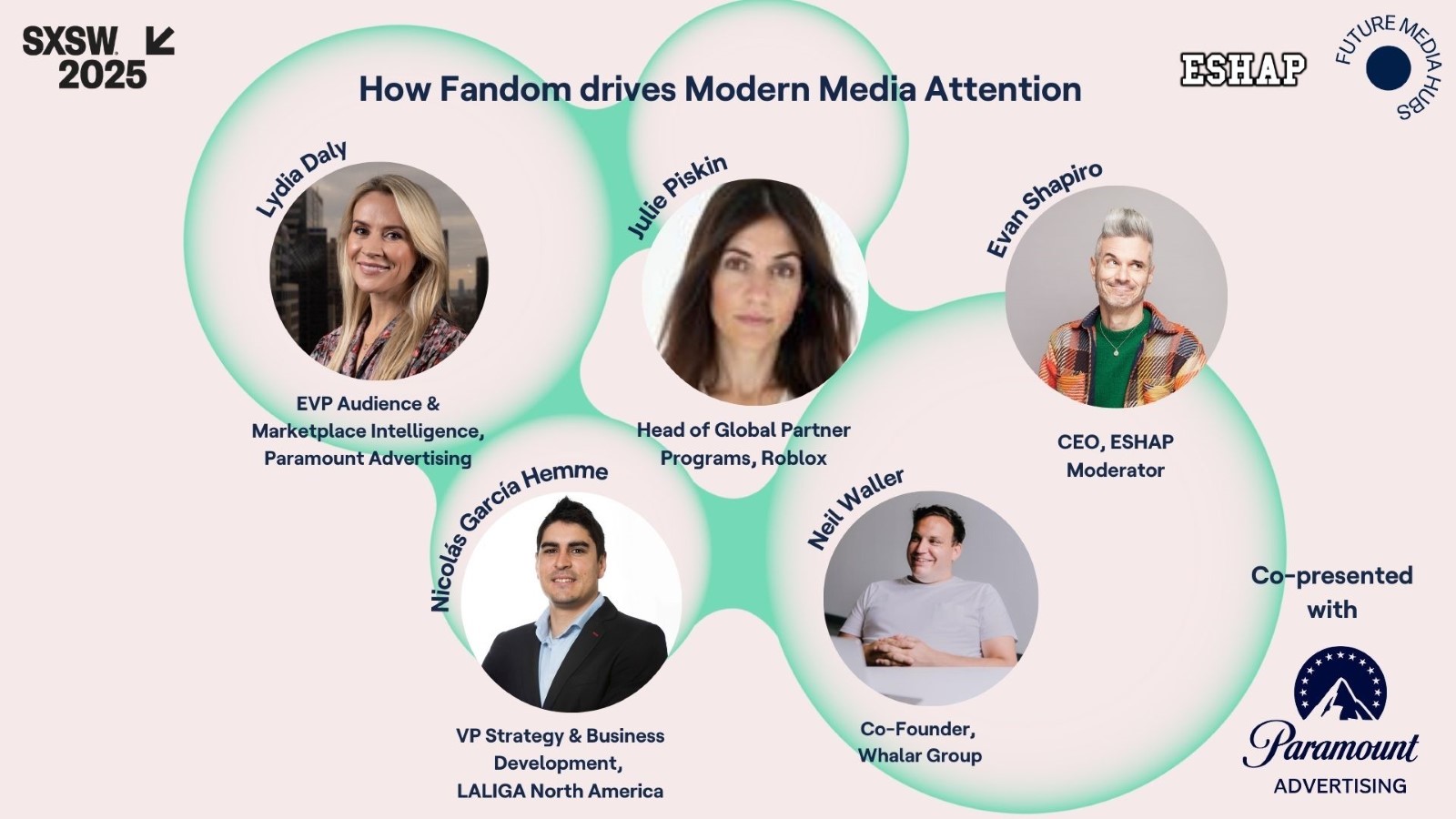
The real war for attention was won by YouTube. Evan Shapiro took the opportunity to dissect the evolution of media models at SXSW. He led discussions on the user-centric era, the transformation of fandom, the optimization of media interfaces and the apparent death of DEI (Diversity, Equity and Inclusion). Even on the podcast stage, everything is changing. One billion people now watch podcasts on TV.
Evan Shapiro states that fans are increasingly becoming more important than the media they use. The relation between a creator and its fandom is the new currency, attention and love. These fandoms also have the ability to move audiences from one platform to another (for example Netflix buying series of youtubers and gap hiring a hoodie influencer to design their new hoodie). The creator media is growing faster than the corporate media economy. The major difference between these 2 economies is the movement from audience to community. Creators have the freedom to build content and a brand in a community-first way. It’s all about creating the multiverse around your content and the cross-pollination between content and platform. But fandom can’t be achieved with a marketing stunt mindset. True fandom requires real, long-term investment.
Want to know more? Read the full article “How Fandom Drives Modern Media Attention”. Or watch the full session on YouTube.
Welcome to the New Ecosystem
The media landscape is undergoing a major shift that is driven by changes in consumer behavior. Creators and audiences, who traditionally held the least power, are now fully in control. This means that, for the first time ever, big media must follow the audience and not the other way around. A fundamental problem for traditional media is that social media platforms seem to convert better, but that is not necessarily true. Social media platforms win because they are mobile-first, which makes it easier for users to take action. To truly compete, big media companies must redefine how they measure success. They have to prove that long-form, premium content is just as valuable as social media advertising. The key is to track actual outcomes: Show advertisers how many people saw an advertisement and took action. Traditional media companies need to rethink their distribution model, be present on multiple platforms and measurement standards need to evolve with consumer behavior. Platforms like YouTube and Facebook are not a threat, they are opportunities to be leveraged as tools for audience growth and brand awareness.
Check out our article, “The User-Centric Era Is Here”, for more information or watch the full session here.
How the Product Became the Message
Streaming services still rely on clunky interfaces and TV networks cling to outdated business models. Meanwhile, apps like TikTok and Instagram have turned content discovery into a seamless experience. The result? Audiences are overwhelmed. Viewers are cancelling subscriptions, thinking they run out of things to watch. But in reality, they are just stuck in the maze of endless content. The redefining of content discovery makes traditional branding less relevant. Public service broadcasters are facing a challenge with these changes. Their mandate to provide culturally relevant content clashes with the reality of how audiences consume media today. The economics of TV have also transformed. Companies like Google, Apple and Samsung are no longer just selling devices. They are investing in entire ecosystems where the long-term user engagement fuels their revenue. But if monetization comes at the cost of user experience, audiences will disengage. Finally, media production itself changed. A single piece of content is not enough. The content must be repackaged for different platforms in different formats.
Do you want more information on this topic? Check out the full article “How the Product Became the Message”. To delve deeper into these discussions and gain valuable insights, watch the full session here.
The Pipeline Problem: How Do We Stop Talking About Diversity?
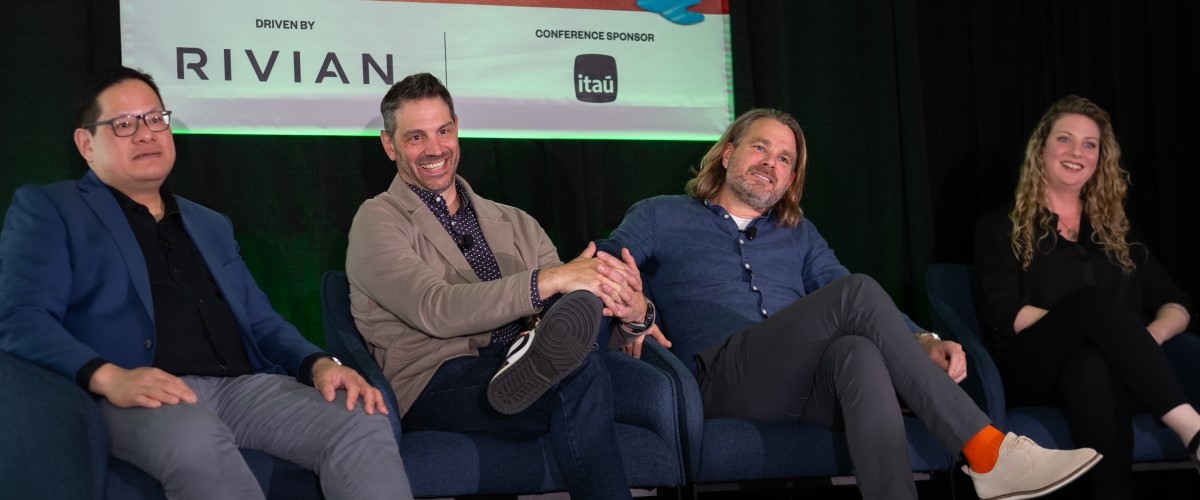
Although the global workforce is more diverse than ever, in media and advertising, the decision-makers still look the same. Is the pipeline problem – the idea that there aren’t enough qualified candidates from underrepresented groups in the talent pool to achieve diversity goals – really the issue? Or is it an easy way to justify exclusion. Beyond race and gender, economic privilege also remains an overlooked barrier. Exclusive networking circles and unpaid internships are often required to break into mainstream media, advantages that many simply don’t have. Companies need to treat diversity as a core business rather than an optional initiative, otherwise they risk losing revenue. Half-hearted commitment to inclusivity leads to damaged trust from their customers. Diversity isn’t a feel-good initiative, it’s a business necessity. Organizations that fail to reflect their audience will lose them.
Want to get the insights from the full session? Read the article “The Pipeline Problem: How Do We Stop Talking About Diversity?” or watcht the full session here.


