Unveiling the Future of AI in Media

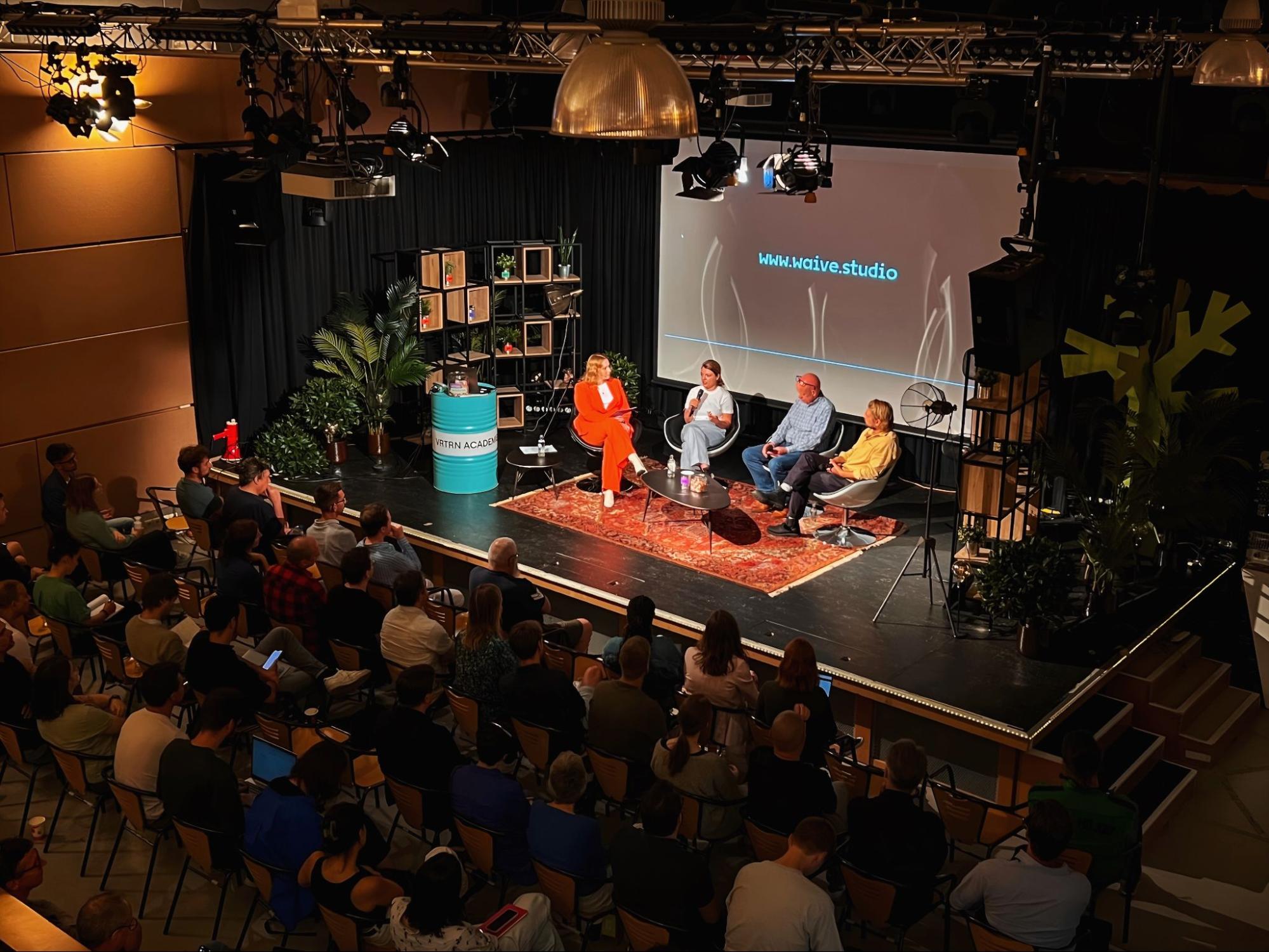
In a captivating panel discussion on the intersection of AI and media, esteemed industry experts gathered to shed light on the revolutionary role of artificial intelligence in reshaping the landscape of content creation. With diverse perspectives and extensive experience, Marie Kilg, David Caswell, and Max Tiel engaged in a thought-provoking dialogue, highlighting the limitless possibilities that AI brings to the media industry.
Implementing AI at media organisations
The panel discussion highlighted the critical role that AI plays in shaping the future of media. As media organisations embrace AI responsibly and collaborate with technology, they have the opportunity to unlock unparalleled insights, drive efficiency, and cater to audience preferences in an ever-evolving media landscape. But it is crucial to join forces and to share knowledge. All panel members emphasise the importance of Future Media Hubs to help media organisations innovate, even on topics such as AI. By sharing knowledge, exploring new technologies and stimulating the use of AI in media, media can position themselves at the forefront of the industry, leading the way into a content-focused future.
During the conversation, several key takeaways emerged that shed light on managing AI in media organisations:
- Embracing Innovation and Change: The panellists stressed the importance of media organisations to have an open mindset on the positive impact AI can have. By experimenting with easy to use AI applications, such as ChatGPT, media organisations take the first step in embracing AI.
- Communicating transparently about AI: The significance of transparency when utilising AI in media was very important to the panellist. Being transparent about the use of AI algorithms and tools helps build trust with audiences and ensures ethical and responsible deployment of AI technologies.
- Engage and collaborate across divisions and profiles: It is crucial to collaborate and engage with each other while managing AI applications. Encouraging cross-disciplinary collaboration and involving different stakeholders within the organisation fosters a better understanding of AI's potential and maximises its benefits.
As the conversation progressed, it became clear that broadcasters need to find ways to effectively implement AI. They discussed strategies to overcome cultural barriers and emphasised the importance of leveraging existing innovation practices and experiences within the organisation.
Conclusion
The future of AI in media is bright, but it also poses challenges that need to be addressed responsibly, for example ethical questions, privacy protection and the way traditional work processes will be changed. If we experiment with AI, we can transform the media industry and develop new and innovative ways of creating, personalising and offering content. Innovation, transparency and collaboration are key in shaping the future of AI in the media landscape and to stay ahead in this rapidly evolving era.
Article written by Kim Achtergaele
Meet the panellists

Marie Kilg: An experienced professional in AI-related projects, Marie has contributed to groundbreaking ventures like Anic T. Wae, an AI-powered columnist revolutionising journalism. Her background in journalism and technology, including working with Amazon's Alexa team, brings a unique blend of skills and insights.

David Caswell: With a wealth of experience implementing machine learning at renowned organisations like Yahoo! and BBC, David provides valuable expertise on managing and introducing AI in large media organisations.

Max Tiel: Max, a part-time worker at Sound and Vision and founder of ThunderBoom Records, explores the creative potential of AI technology for artists. Projects like Waive and Open Culture Tech demonstrate the transformative power of AI in the music industry, democratising access to AI-assisted creative tools.


